 Pokepad
How it works
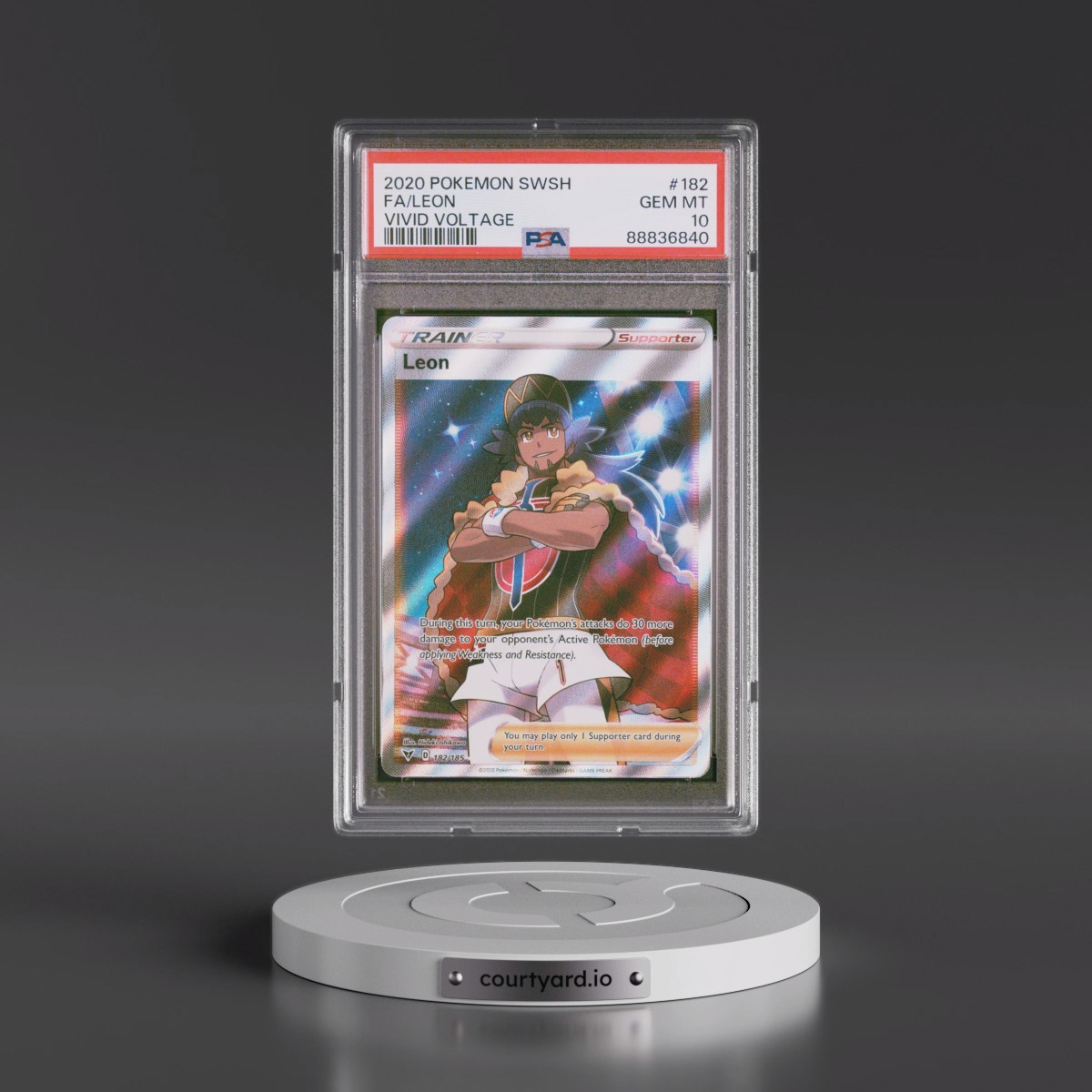
Most launchpads pair your coin with ETH. Pokepad pairs it with a card — the pool's quote token is the card itself, so the pair a terminal prints is the card's ticker.
The three steps
The link is read on-chain
A Courtyard token id is a 32-byte hash, and it is exactly the hex in the URL. We pull the card's metadata from its contract on Polygon, then sign it — that signature is what lets the registry trust the card's name and image.
The card token spawns
First time anyone touches a card, its ERC-20 is deployed by the registry, never by a wallet. The full 1,000,000,000 supply is minted straight into a CARD/WETH pool and the LP is locked forever. No premine, no owner, no mint function. Its fees are locked too, so nobody earns from the card itself.
Your coin launches into a card-quoted pool
Your coin's supply goes into a second pool whose quote token is the card token. That pool's liquidity is locked permanently, and its 1% fee is claimable only by you. Pokepad is not a counterparty to any of it.
Why Uniswap, and nothing else
Every other launchpad on Robinhood Chain restricts what a pool can be quoted in, so none of them can quote against a card.
| Venue | Card as the pair? | Why |
|---|---|---|
| Uniswap V3 | Yes | No allowlist and no owner — any pair can be created by anyone |
| Pons | No | Quote must be one of 27 approved Robinhood stock tokens |
| Flaunch | No | Only ETH and flETH have ever been approved |
| Noxa | n/a | A trading router, not a launchpad |
So Pokepad's factory is not a launchpad competing with those. It is the thin layer that opens the Uniswap V3 pool quoted in the card, because nothing else will.
What it costs
Gas, and nothing else. Creating a card token is one transaction; launching your coin is another. Pokepad has no fee switch — there is no line of code anywhere in the contracts that pays us.